Daily Archives: April 20, 2026
The History and Healing Power of Iodex
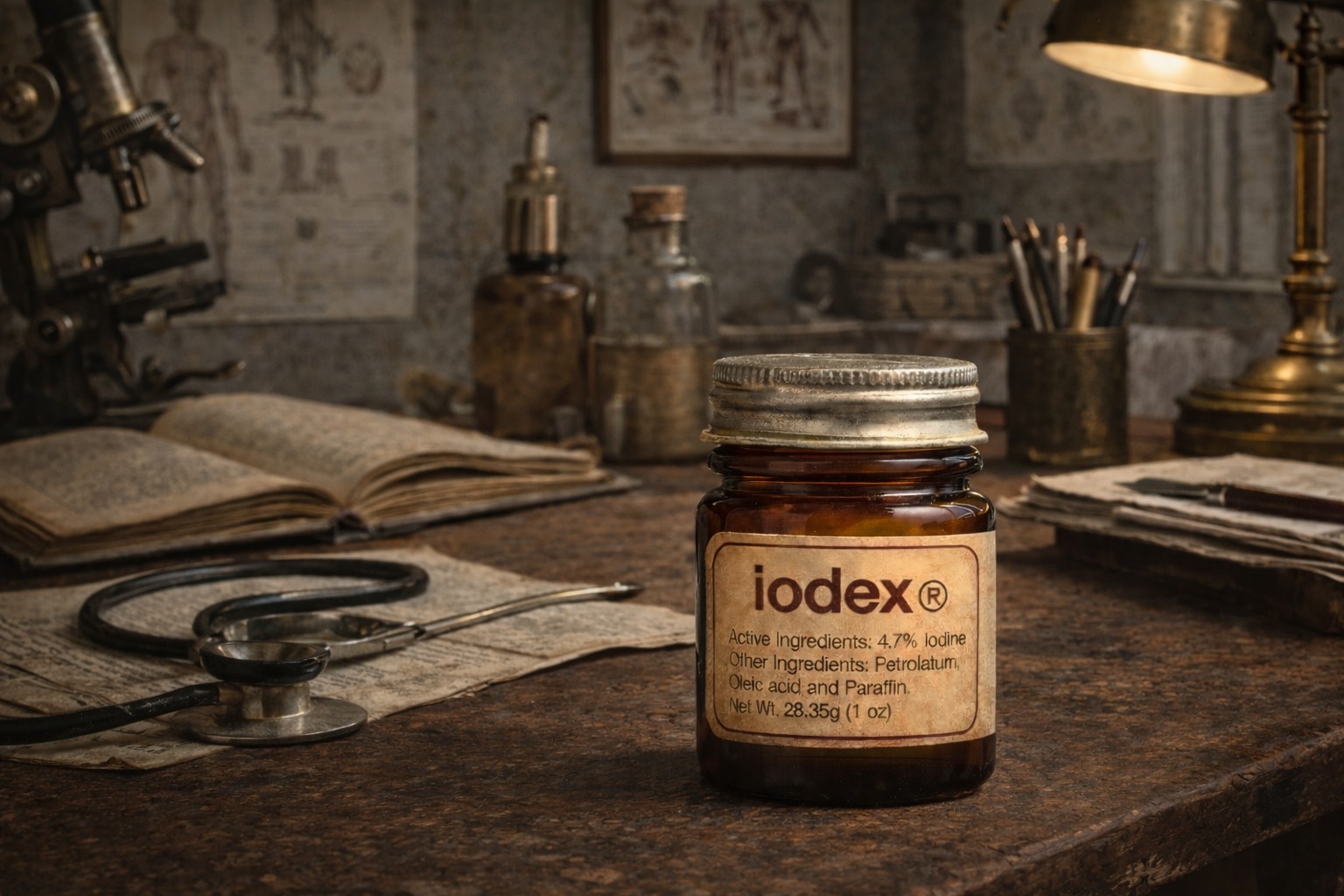
For generations, Iodex has held a steady place in family medicine cabinets. What makes it such a lasting essential? Its continued presence speaks to its reliability and effectiveness.
Over time, Iodex has become a familiar and trusted name in households around the world. Exploring its history offers a fascinating window into the evolution of home healthcare. From its origins to its widespread use and lasting impact, the story of Iodex highlights why it remains a dependable first-aid staple today.
Origins and Development
Long before antibiotic creams became commonplace in pharmacy aisles, wound care relied heavily on natural remedies—plants, minerals, and other basic elements. Among these, iodine has remained a constant for over a century. Renowned for its ability to rapidly eliminate bacteria, fungi, viruses, and other pathogens, iodine proved highly effective in preventing infections in open wounds.
Despite its benefits, pure iodine—particularly before 1910—often caused significant discomfort. Its application could result in intense stinging, skin irritation, and stubborn dark staining. Recognizing the need for a safer, more practical alternative, an English chemist set out to improve upon the traditional formulation. Through careful experimentation, he developed the original Iodex formula.
This innovation marked a major advancement in wound care. The new ointment provided a “stainless” iodine solution that preserved its powerful antibacterial properties while eliminating the harsh stinging sensation and permanent orange-brown discoloration associated with earlier forms.
With this breakthrough, iodine became far more user-friendly and accessible. Iodex quickly gained widespread adoption, becoming a staple in hospitals, military medical kits, and household medicine cabinets alike.
Historical Use of Iodex
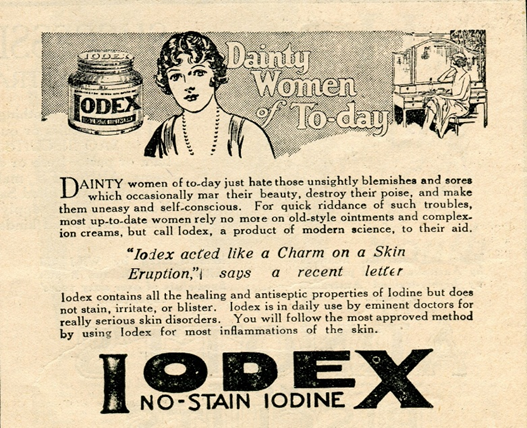
As Iodex gained recognition in the mid-twentieth century, it quickly established itself as a trusted remedy in both homes and medical settings. Its popularity was driven by its versatility and ease of use.
A Household Staple
By the 1930s, Iodex manufacturers were distributing informative pamphlets to households and healthcare providers, promoting the ointment for a wide range of everyday injuries—cuts, bruises, minor wounds, and skin irritations. It became a reliable solution for common mishaps, from children’s scraped knees to the sore, blistered hands of laborers.
War-Time First Aid Care
Iodex also proved its value during periods of global conflict, particularly in World War I and World War II. Its practicality made it especially useful in military settings. Unlike liquid iodine, the ointment was easy to carry and apply without risk of spilling, making it a dependable component of field medical kits used by frontline medics and hospital staff treating wounded soldiers.
A Glimpse into Its Past

The long history of Iodex is reflected in its early packaging and advertising. Vintage materials from the 1930s often feature this ointment stored in durable dark glass containers. These bottles were intentionally designed to withstand rough transport conditions and the demanding environments of wartime medical care, underscoring the product’s role as a dependable and resilient first-aid solution.
Edgar Cayce and Iodex
Any discussion of Iodex would be incomplete without mentioning Edgar Cayce. Widely regarded as one of the most well-documented holistic healers of the twentieth century, Cayce frequently referenced the ointment in his health readings.
Throughout his life, Cayce delivered thousands of readings focused on physical well-being, often suggesting simple, accessible remedies. Among these, Iodex was repeatedly recommended for a range of conditions, including bedsores, swelling, soreness, bruising, and as a drawing salve.
His guidance was typically straightforward: apply the ointment gently to the affected area once or twice a day, adjusting the amount and frequency based on the severity of the issue. Cayce’s endorsement introduced Iodex to a broader audience and reinforced its reputation as a dependable, all-purpose remedy.
Common Uses of Iodex
Iodex continues to be valued for its wide range of practical applications. Even today, it remains a trusted option for managing everyday aches and minor injuries. Some of its most common uses include:
Minor Cuts, Scrapes, and Wounds
One of the primary uses of this ointment is for treating minor cuts and abrasions. Its 4.7% iodine content works efficiently to cleanse the wound, helping to eliminate bacteria and other harmful microbes. By creating a cleaner, more protected surface, it helps prevent infection and supports proper healing.
Bruises, Swelling, and Skin Irritation
Beyond open wounds, the ointment is also effective for injuries that don’t break the skin. When applied to bruises or small lumps, it can help stimulate local circulation, which may encourage faster recovery of the underlying tissue. Its soothing base also helps calm irritated skin, reducing redness and discomfort without the intense sting commonly associated with liquid iodine.
Summary
Iodex has a long and meaningful history as a practical first-aid solution. Introduced in the early 20th century as a “stainless” alternative to traditional iodine, it provided a gentler and less messy option at a time when earlier treatments could be harsh. Its effectiveness led to widespread use in wartime medical kits and, eventually, in everyday household medicine cabinets.
Its lasting appeal comes down to its versatility, ease of use, and most importantly, effectiveness. Decades later, it remains a reliable choice for treating common injuries. Today, Baar Products continues to produce and offer Iodex, preserving its legacy as a trusted approach to first-aid care.